How to Choose an Executive Coach: 8 Questions Senior Leaders Should Ask First
Senior leaders usually pick an executive coach the way they pick any advisor: through a recommendation, or a search at a stressful moment. A short, structured conversation before you commit will tell you more than any website, including this one.
What an executive coach does, and what they don't
Executive coaching is a confidential, structured series of one-to-one conversations in which a senior leader looks closely at how they lead, decide and communicate, then makes specific changes. The coach asks questions and says honestly what they see. They don't tell you what to do, as a consultant would, and they don't treat clinical problems, as a therapist would.
"Executive coach" and "business coach" are often used for the same thing. Where a distinction is drawn, an executive coach works on the leader (behaviour, decisions, communication) and a business coach works on the business (strategy, sales, operations). Many coaches do some of both.
What senior leaders typically bring to coaching
Common agendas include:
- How you come across. The gap between what you intend and how colleagues and direct reports experience you, and what to change.
- Boundaries. How available you are, how close you get to your team, and when to stop doing work you believe only you can do.
- Consistency with your values. Whether your behaviour under pressure matches the leader you want to be.
- A bigger role. A promotion, a new company, a new country, or leading other leaders for the first time.
- Isolation at the top. Decisions you can't talk through honestly because nobody around you is at your level.
Eight questions to ask before you choose
- Can I verify your credential? ICF credentials (ACC, PCC, MCC) can be checked with the issuing body. Ask for the level and the number of coaching hours. Our article on what an ICF-certified coach does differently explains what the credential involves.
- What is your background outside coaching? A coach who has worked in large organisations understands the politics, pace and pressure without a long explanation. A psychology background adds depth on patterns, stress and relationships at work. Neither replaces the other.
- Who have you coached at my level, and what changed? Coaches are bound by confidentiality, so expect themes and outcomes, not names. A vague answer is a reason to ask again.
- How do you handle confidentiality, and where are its limits? Normally what you say stays between you and the coach. Limits usually include legal obligations and risk of serious harm. If your employer pays, agree in advance what, if anything, is shared with them.
- How will we know it's working? Agree two or three concrete goals and a point to review them, for example after the first few sessions.
- Will you challenge me? Senior leaders are often surrounded by people who agree. Ask how the coach gives feedback when they see a pattern you haven't named.
- What if the issue is more personal than professional? A good coach keeps a clear line between coaching and therapy and will tell you plainly when therapy would serve you better. See coaching vs. therapy.
- What does the first conversation look like, and how are fees handled? A good coach offers a short introductory conversation and states the terms before you commit to anything. Fit is hard to judge from a profile. Fifteen minutes often shows whether you want to keep talking.
Why a psychologist-coach can suit senior leaders
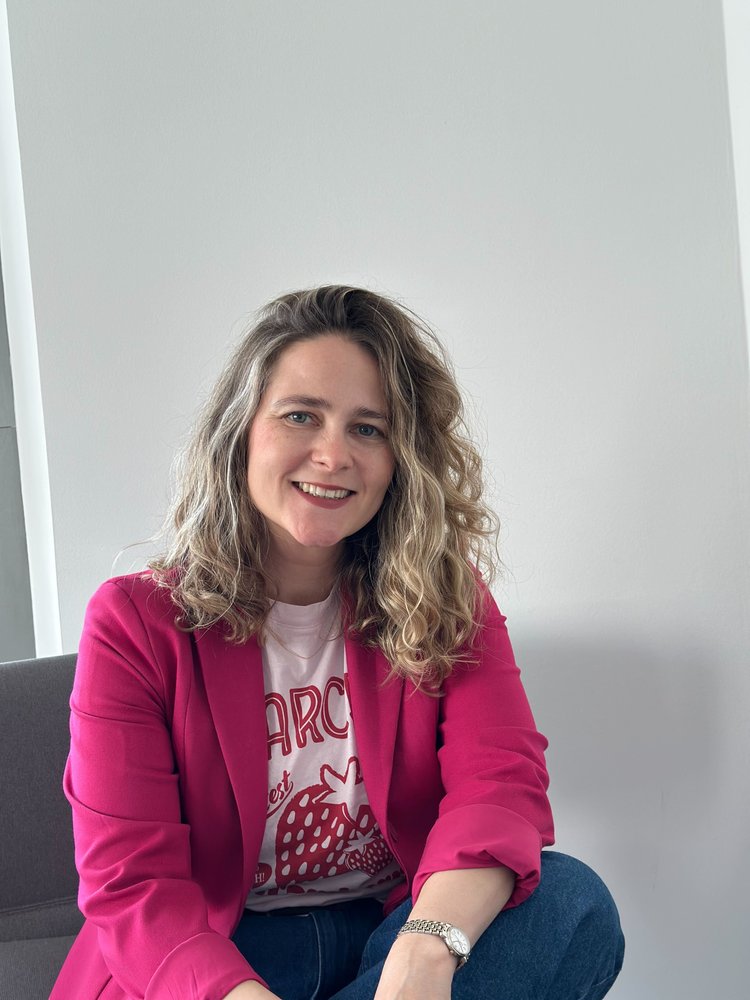
Some leaders want a coach who has run teams. Others want someone who understands why people act as they do under stress. A coach who is also a psychologist can offer both, as long as the boundary between coaching and therapy stays clear. I'm an ICF-certified coach with an MSc in Psychology and an MBA, and I held leadership roles at Oracle, Novartis and Colgate-Palmolive before coaching full time.
Executive coaching online: time zones and languages
Executive coaching works well online. I coach leaders around the world in English, Russian and Czech, and in person at my office in Prague 3. If you are in a different time zone, we agree early or late slots at the start.
Frequently asked questions
How do I choose an executive coach?
Check a credential you can verify, ask about experience with leaders at your level, clarify confidentiality, and book a short introductory conversation. If you come away feeling the coach will say things plainly, that is a good sign.
What is the difference between an executive coach and a business coach?
The terms overlap. Where a distinction is made, an executive coach works on the leader, and a business coach works on the business: strategy, sales and processes.
How long does executive coaching take?
It depends on the goal. Many engagements run for several months, with sessions spaced to leave time to act in between. A sensible coach agrees a review point early instead of an open-ended commitment.
Is executive coaching confidential?
Normally yes. What is said in sessions stays between you and the coach, within limits set by law and by risk of serious harm. If your employer pays, agree in advance what is shared with them.
Can executive coaching be done online?
Yes. I work online with leaders worldwide in English, Russian and Czech, and in person in Prague.
Do I need an executive coach or a therapist?
Coaching looks forward and works on professional goals. Therapy fits when there is significant emotional distress or clinical symptoms. A coach who is also a psychologist can help you tell which one you need, and refer you to therapy if that is the better fit.
If you are comparing coaches, I offer a short introductory conversation (15 minutes) so you can judge the fit before committing to anything.
Executive coaching for leaders →Prefer email? katia.tandon@gmail.com